Pull-up bars are one of the most effective tools for developing upper-body and core strength. The movement engages the back, shoulders, arms, and grip while encouraging proper posture and joint stability. Choosing the right bar depends on the available space, installation type, and how you plan to train.
Main Types of Pull-Up Bars
Door Frame Bars
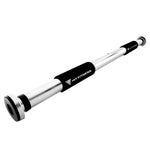
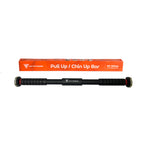
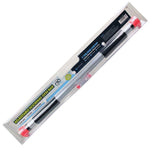
Compact and removable options that use a twisting pressure mechanism to stay in place. They’re practical for smaller spaces and renters since no drilling is required. Always check the pressure lock before use and ensure the frame is strong enough to support your body weight.
Wall-Mounted Bars
Fixed units that offer excellent stability for full-range movements and additional exercises such as hanging knee raises. They require installation into solid masonry or timber studs using the correct fixings.
Ceiling-Mounted Bars
Useful where wall space is limited or higher clearance is needed. These provide unrestricted range of motion and suit users performing strict pull-ups or muscle-up progressions.
Free-Standing Stations
Durable frames that combine multiple grips and exercise options. These are often used in schools or commercial gyms and do not rely on structural mounting.
Training Tips
-
Focus on control: Lower slowly to build strength through the full range of motion.
-
Engage the core: Keep the midsection tight to avoid swinging and protect the lower back.
-
Alternate grips: Overhand, underhand, and neutral grips train the back and arms differently.
-
Use assistance when needed: Resistance bands or eccentric reps (slow descents) help build strength safely.
-
Warm up shoulders and elbows: Light mobility work reduces injury risk before training.
Consistent pull-up practice two to three times per week improves functional strength and shoulder stability over time.
FAQs
Q: Are door-frame pull-up bars secure?
A: Yes, provided the frame is solid and the bar is properly installed. Twist-pressure bars lock firmly between sides of the frame and use non-slip pads to prevent movement. Always check tension before each session.
Q: What kind of wall can support a mounted bar?
A: Use only structural masonry or reinforced timber studs. Avoid plasterboard or hollow walls unless additional reinforcement is fitted.
Q: What load capacity should I look for?
A: Door-frame bars typically support around 100–120 kg. Fixed bars and free-standing stations range from 200 kg to 300 kg, suitable for heavier or dynamic use.
Q: Can I perform kipping or swinging pull-ups?
A: Only bars designed and mounted for dynamic training should be used for kipping movements. Door-frame models are meant for strict, controlled pull-ups only.
Q: How should I maintain my pull-up bar?
A: Keep grip areas clean and dry, tighten all fixings regularly, and check for signs of corrosion or movement. Release pressure on door-frame bars after use to preserve the mechanism and prevent frame damage.
Q: What is the correct height for installation?
A: Mount or position the bar high enough so the feet clear the ground during a full hang, leaving about 60 cm of space above for head clearance.